







What We're Reading... Summer 2025
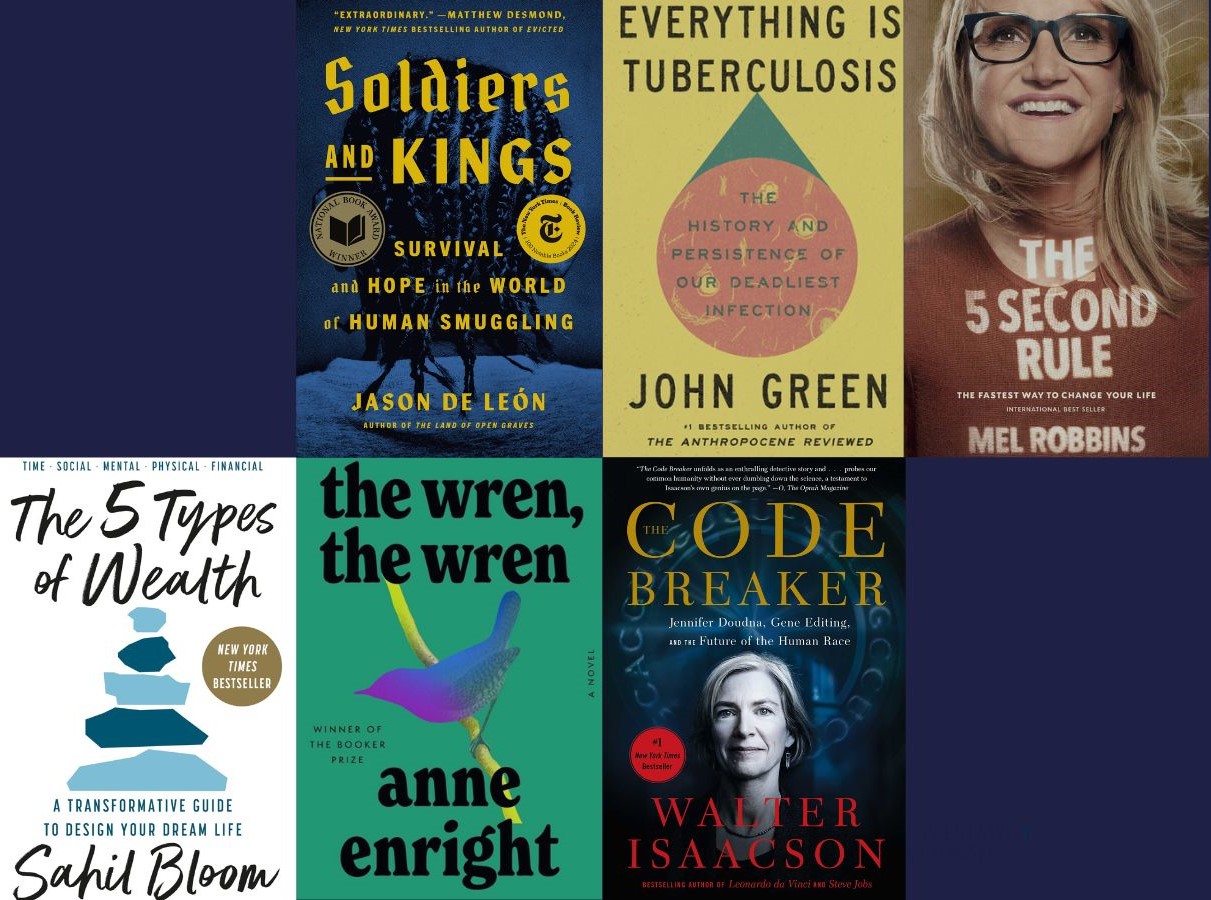
At 1919, we believe that great ideas come from continuous learning fueled by books, conversations, and curiosity. This summer, our team is diving into stories that challenge perspectives, spark reflection, and expand our understanding of the world. From scientific breakthroughs to poetic fiction, each book on this list was chosen by a colleague who found something meaningful in its pages. Whether you’re looking for inspiration, insight, or simply a great read, we hope this list offers something that resonates with you.
The 5 Types of Wealth by Sahil Bloom
Recommended by: Brian Farrell
In this thought-provoking book, Sahil Bloom redefines what it means to be truly wealthy. Drawing from his own journey from private equity success to personal dissatisfaction, Bloom explores five dimensions of wealth: time, health, relationships, knowledge, and money. Through historical anecdotes and personal reflection, he challenges readers to think beyond financial success and consider how they’re investing in the other areas that make life meaningful. This book is both a guide and a mirror—encouraging readers to evaluate their priorities and redefine what a rich life looks like.
Everything is Tuberculosis by John Green
Recommended by: Louisa Murphy
John Green’s latest work is a compelling blend of history, science, and social commentary. Far from a dry medical text, this book traces the global impact of tuberculosis across centuries, revealing how the disease has shaped societies, exposed inequalities, and inspired resilience. Green weaves together patient stories, medical breakthroughs, and cultural shifts to show that TB is more than a health issue; it’s a lens through which we can understand humanity. It’s a short but powerful read that feels especially relevant in today’s shifting public health landscape.
The Wren, The Wren by Anne Enright
Recommended by: Katie White
Anne Enright’s novel is a lyrical exploration of generational trauma, artistic legacy, and the complexities of love. Told through the voices of three Irish women, a daughter, a mother, and the lingering presence of a famous poet father, the story examines how emotional inheritance shapes identity. Enright’s prose is rich and poetic, with original poems woven into the narrative. The novel is both intimate and expansive, offering a moving meditation on what we inherit, what we resist, and how we find our own voice.
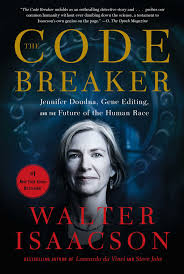
The Code Breaker by Walter Isaacson
Recommended by: Reshma Ballie McGowan
This gripping biography follows Jennifer Doudna, the Nobel Prize-winning scientist behind CRISPR gene-editing technology. Walter Isaacson masterfully chronicles her journey from curious student to scientific pioneer, while also unpacking the ethical dilemmas of genetic engineering. The book explores the promise of curing diseases like cancer and sickle cell anemia, alongside the risks of designer babies and biohacking. It’s a fascinating look at how science, ambition, and morality intersect, and a must-read for anyone interested in the future of medicine.
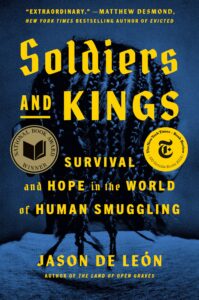
Soldiers and Kings by Jason De León
Recommended by: Harry O’Mealia
Anthropologist Jason De León offers a rare, immersive look into the world of human smuggling along the U.S.–Mexico border. Through years of fieldwork embedded with smugglers, De León captures the human stories behind migration, stories of desperation, resilience, and survival. The book challenges stereotypes and reveals the complex motivations and moral gray areas that define this underground world. It’s a powerful, eye-opening narrative that humanizes a deeply politicized issue and sheds light on the machinery behind border crossings.
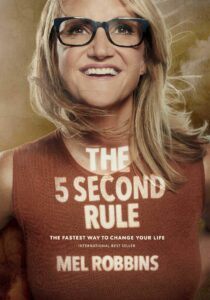
The 5 Second Rule by Mel Robbins
Recommended by: Kat Weber
Mel Robbins introduces a simple yet effective psychological tool designed to help individuals overcome hesitation and take immediate action. The core concept is based on counting down “5-4-3-2-1” and then physically moving or making a decision before the brain has a chance to engage in self-doubt or avoidance. Robbins explains how this technique can interrupt negative thought patterns, activate the brain’s prefrontal cortex, and build confidence through consistent, small acts of courage. Backed by neuroscience and real-life examples, the book offers practical strategies for improving productivity, breaking bad habits, and making meaningful changes in both personal and professional life.